The short version
A one-sheet is your press kit on one page: your name and one line, a photo, a 60-word bio, the thing you are pitching (the record or the show), two press quotes or one real number, the logistics, your links written out, and a booking contact. Letter or A4, exported as a PDF under 2 MB, with the link to your full kit printed on it. Everything else is the kit's job.
01 Who asks for it
What a one-sheet is for: the page in someone's stack.
Nobody asks for a one-sheet for fun. It gets asked for by a label A&R desk that wants a page to pass around a meeting, a radio or playlist programmer who wants the record's facts without opening a website, a festival talent buyer sorting a few hundred submissions, a publicist who wants something to attach to a pitch, and a distributor building a release page. In every case the reader has a stack, and the one-sheet exists to be the page in the stack that says what you are and who to call.
The name comes from the record business. The sales one-sheet went to record stores with each release: one page with the cover, the release date, the story and the catalog number. The artist one-sheet is the same idea pointed at anyone who might book you, play you or write about you.
It does not replace your press kit. The kit holds the music, the video, the photos, the tour dates and the downloads. The one-sheet summarizes them and carries the kit's link, so a reader who wants more gets it in one tap. Send the kit link by default. Send the one-sheet when someone asks for a PDF, when a submission form wants an attachment, or when the reader is going to print it. What is an EPK? covers the kit side.
02 The template
What goes on a one-sheet, in this order.
- Name, one line, genre and city. Top of the page, biggest type. The one line is the tagline under your name, about 15 words. Genre and city on the next line, in words a stranger can filter by: "Folk singer-songwriter. Boise, Idaho."
- One photo. Portrait or square, sharp, recent, with the photographer credited. One, not five. The other four live on the kit.
- The short bio. Four sentences, about 60 words, third person: what you play and where you are from, where you play it, one piece of proof with a number, the logistics. The musician bio examples page has ten of them.
- The thing you are pitching. For a release: title, format, date, label, track count, one line on how it was made, and two focus tracks. For shows: the formats you offer, set lengths, and what is coming up. This is the middle of the page and the part that changes between sends.
- Proof. Two press quotes with the outlet named, or the numbers: shows a year, a sold-out room, a support slot, a festival. Pick the two strongest. A wall of quotes and a wall of numbers together reads as padding.
- Logistics. Format and lineup, set length, how far you travel, whether you bring backline, house concerts yes or no. Three or four lines, and the stage plot and tech rider live on the kit.
- Links, written out. The press kit URL first, then streaming and video. As text, not buttons, because PDFs get printed and screenshots do not click. A QR code is fine next to a printed URL, never instead of one.
- Contact. Name, role, email, phone if you take calls, territory. Bottom of the page, every time, even when the same email is at the top of the message. Pages get forwarded without the message.
The layout
One page, letter or A4, portrait. Name and one line across the top. Photo, logistics and contact down the left. Bio, the pitch and the quotes down the right. Links and the contact again along the bottom. Body text no smaller than 9 points, which is the size a promoter's printer turns into mud. Export to PDF, under 2 MB, and name the file so it survives a downloads folder: tamsin-ackerly-one-sheet-2026.pdf, not final2.pdf.
03 Two examples
Two filled-in one-sheets: a record, and a run of shows.
Both acts are made up. They are two of the labeled sample kits on this site, so every fact on these pages is also on a real press kit you can open, and you can see how the one-sheet is the kit's top section laid out for paper.
Tamsin Ackerly
Folk singer-songwriter · Boise, Idaho
Songs about small towns, long drives and the people who stay.
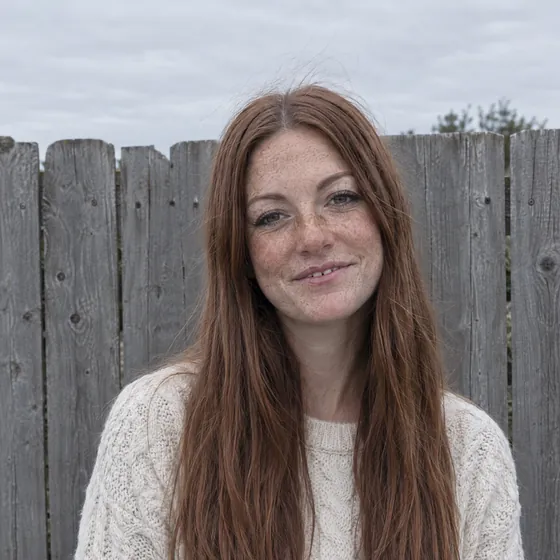
Photo: Cal Brennan
Live
- Format: solo, voice and acoustic guitar
- Sets: 45 to 90 minutes, or two sets
- Shows a year: 80+
- House concerts: yes, 20 guests minimum
- Travels: Mountain West and touring
Fall 2026
- Oct 3 · The Pearl Listening Room, Boise (sold out)
- Oct 16 · Grain Elevator Brewing, Driggs
- Oct 23 · The Silver Spur, Bozeman
- Nov 6 · Second Story Books and Music, Bend
Bio
Tamsin Ackerly is a folk singer-songwriter from Boise, Idaho. She writes plainspoken songs about small towns and long drives and performs solo with an acoustic guitar. Her second album, Magpie Season, came out in August 2026. She plays around 80 shows a year: listening rooms, house concerts, breweries and festival side stages across the Mountain West.
New album: Magpie Season
Second album. Ten songs, self-released August 14, 2026. Recorded in six days in a cabin outside Stanley, Idaho, produced by Tamsin Ackerly and Jonah Pruitt. Focus tracks: "Highway 20" (official video) and "The Ones Who Stay" (cabin session video). Release show at The Pearl sold out.
Press
Ackerly writes the way people in small towns actually talk, and then she breaks your heart with it.High Desert Songbook, album review
Magpie Season is the rare record that sounds exactly like the place it was made.Sawtooth Sound, best of 2026 so far
Links
- Press kit, music, video, photos: e569773.liveepk.com
- Streaming: Spotify, Apple Music, Bandcamp (searchable by name)
Booking: [email protected] · Mountain West and touring · Stage plot and tech rider on the press kit
Sample kit. Not a real act.
Why it works: this is a release one-sheet, so the record is the middle of the page and the tour proves people will come. The left column is the whole tech conversation ("solo, voice and acoustic guitar") and the whole booking conversation (set lengths, house concerts, territory). Two quotes, both attributed. The kit link is written out where a printout still carries it. Open the sample kit to see the same facts as a web page.
Dez Holloway
Rapper and beat maker · Kansas City, MO
Soul samples, plain talk, live drums when the room allows.
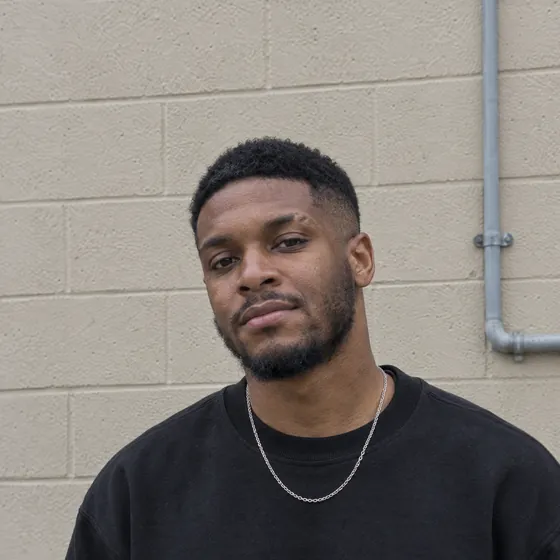
Photo: Marcus Tell
Formats
- With DJ: two on stage, 30 to 45 minutes
- Live band: three-piece, 45 to 60 minutes
- Shows since 2023: 40+
- Based in: Kansas City · Midwest and touring
- Stage plot and tech rider: on the press kit, both formats
Fall 2026
- Oct 9 · The Rail Yard, Kansas City (host and headline)
- Oct 23 · Slowdown Annex, Omaha (support)
- Nov 7 · Vaudeville Room, Des Moines, full band (sold out)
- Nov 20 · The Dogtown Social, St. Louis, full band
Bio
Dez Holloway is a rapper and beat maker from Kansas City, Missouri. He produces his own records from a spare-bedroom studio and performs with a DJ or a three-piece band. His second album, Corner Lot, came out in March 2026. He has played 40-plus shows across the Midwest since 2023.
Booking: winter and spring 2027
Available for support slots and headline club dates across the Midwest, routed around Kansas City. Corner Lot release show at The Rail Yard sold out (March 2026); support slots for touring hip hop acts in Kansas City, Omaha, Des Moines and St. Louis. The live band set is the one to book if the room has the stage for it.
Out now: Corner Lot
Second album, Holloway Sound, March 6, 2026. Eleven tracks, written, produced and mixed by Dez Holloway, live drums on four tracks by Terrence Vale. Debut Porch Light (2023): first run of 300 cassettes sold out at shows.
Press
The live band set turned a Tuesday opener slot into the best thing on the bill.Bars and Breaks, live review
Corner Lot sounds like a city block with the volume turned up.Midwest Tape Deck, album of the month
Links
- Press kit, music, video, photos: e571675.liveepk.com
- Video: "Corner Lot" (official), "Rent Week" live with the band at The Rail Yard
Booking: [email protected] · Midwest and touring
Sample kit. Not a real act.
Why it works: this is a booking one-sheet, so the formats come first and the record comes third. "With DJ" and "live band" get their own set lengths because they are different bookings at different fees. The live review is the first quote, because a talent buyer cares more about a Tuesday than an album of the month. The "sold out" on a support date is the number. Open the sample kit.
04 Two kinds
Release one-sheet, booking one-sheet: same page, different middle.
The top and the bottom never change: name, line, photo, bio, links, contact. The middle is whatever you are asking for this month. Keep one file per ask and update the middle, instead of one file that tries to do both and does neither.
Release one-sheet
For radio and playlist programmers, press, labels, distributors.
The middle: title, format, date, label, track count, how it was made, two focus tracks, the release show. Quotes about the record. The tour goes in a corner as proof that people show up.
Booking one-sheet
For talent buyers, festival programmers, wedding and event planners, agents.
The middle: formats and set lengths, when you are available and where, the rooms and slots you have held, the live quote first. The record goes in a corner as proof that you are working.
DJs are a booking one-sheet by default: residencies, the booth, formats, mixes. The DJ press kit page covers what promoters look for, and the DJ tech rider makes the page the one-sheet points to.
05 What to leave off
Things that end up on one-sheets, and what to do instead.
Cut
The full track list with running times, and a paragraph on each song.
Instead: two focus tracks and one line on how the record was made. The track list lives on the kit and the streaming page.
Cut
Five photos, a logo the size of a postcard, and a QR code with no URL next to it.
Instead: one photo with a credit, a small logo if you have one, and every link written out. A printed QR code is a coin toss; a printed URL is not.
Cut
"2,400 monthly listeners on Spotify. 1,900 Instagram followers. 600 TikTok followers."
Instead: a number a room cares about. "80 shows a year" or "release show sold out" beats any follower count under the tens of thousands, and a small count invites the reader to do the math.
Cut
The long bio: the town of 900 people, the library book, the truck stop night shift.
Instead: the 60-word bio. The long one is on the kit, and it is the reason the kit link is on the page.
Cut
"For fans of: Big Thief, Gillian Welch, Jason Isbell, Phoebe Bridgers, Waxahatchee, John Prine, Adrianne Lenker, Julien Baker, Wilco."
Instead: one comparison or none. Nine names agree on nothing, and every reader will disagree with at least three.
Also leave off: a fee (quote it in the email, where it can change), your home address, the year the band formed in a garage, and anything in the first person. Keep the page to what a stranger needs to say yes.
06 Making one
How to make a one-sheet, and where the kit fits.
Three honest ways, all free. Google Docs or Pages: one page, two columns, the order above, export as PDF. Canva: search "media kit" or "one sheet," pick the plainest template, keep one photo, put the sections in the order above, and delete the decorative bits before exporting. Copy it off your press kit: the top of a LiveEPK kit is already the one-sheet's content. The name and one line, the photo, the short bio, the fact strip, the featured release, the pull quotes and the booking contact are the same eight things, in nearly the same order, so once the kit exists the one-sheet is a paste job.
LiveEPK does not export a PDF one-sheet, and this page will say so when that changes. The kit is the live version with everything on it, and the one-sheet is what you attach when a desk asks for paper, with the kit's link printed on it. How to make an EPK gets the kit built in about twenty minutes, and the tech rider template makes the two-page PDF for the technical side, which is the other attachment a one-sheet usually travels with.
Update the one-sheet when the middle changes: a new record, a new season of dates, a lineup change. Put the date in the file name and check it before every send. A one-sheet pitching last year's record is the fastest way to tell a programmer you are not paying attention.
07 Quick answers
One-sheets: common questions.
- What is a one-sheet in music?
- A single page, usually a PDF, that summarizes an artist or a release: name and one line, a photo, a short bio, the record or the shows being pitched, two press quotes or one real number, the logistics, links written out, and a booking contact. It is the page a label, a radio programmer, a festival buyer or a publicist passes around when they do not want the whole press kit.
- What is the difference between a one-sheet and an EPK?
- An EPK is the whole packet at one link: music, video, photos, press, tour dates, downloads and contact. A one-sheet is a one-page summary of it, made to be attached, printed or passed around, with the EPK's link on it. Send the EPK link by default and the one-sheet when someone asks for a PDF or a submission form wants an attachment.
- What should a music one-sheet include?
- In order: name, one line, genre and city; one photo with a credit; a 60-word third-person bio; the release or the shows you are pitching; two press quotes with outlets named, or one strong number; logistics like format, set length, travel and backline; the press kit URL and streaming links written out as text; and a booking contact with name, email and territory at the bottom.
- How long is a one-sheet?
- One page, letter or A4, portrait, body text no smaller than 9 points, exported as a PDF under 2 MB. If it runs to two pages, cut the track list or the third quote. A two-page one-sheet is a short press kit and reads as one.
- Do I need a one-sheet if I already have a press kit?
- Not until someone asks for one. Most bookers and writers want the link. Keep a one-sheet ready for label and radio submissions, festival applications that take an attachment, publicists, and anyone who is going to print it, and put the press kit's link on it so the page leads back to everything else.
- Who do you send a one-sheet to?
- Label A&R, radio and playlist programmers, festival and talent buyers, publicists and journalists when they ask for one, distributors building a release page, and a venue that wants something it can print for the promoter. Everyone else gets the press kit link.
- How do I make a one-sheet for free?
- Google Docs, Pages or Canva: one page, two columns, sections in the order on this page, exported as a PDF. If you have already built a press kit, the top of it is the one-sheet's content: copy the name, one line, photo, short bio, facts, release and quotes across, add the kit's link and the booking contact, and export. The free EPK builder is the fastest way to have that kit to copy from.
Build the kit the one-sheet points to.
Sign up free, put in the same eight things, and you have a press kit a booker can open on a phone tonight, plus every fact you need for the one-sheet, in one place. Free to build and publish, no credit card.
Build my press kitWant to see one first? Open the example kits, or read the press kit template.